San Francisco Day Tours
I’m Serious Day Tour Man AI, your day trip expert. Ask me anything — where to go, how to get there, and what’s actually worth your day.
San Francisco’s day trips begin with a rule that catches thousands of visitors a year: you cannot drive to Muir Woods without a reservation — every vehicle, every day, year-round, booked before you leave cell service behind. The mechanics are below, along with the wine-country sort, the coast in both directions, and the arithmetic on Monterey.
The city block covers the other booking that defines trips here — Alcatraz sells out weeks ahead through one official seller — plus the cable-car strategy, Karl the Fog, and the burrito truth.
Here’s what’s worth a day, with real times and honest trade-offs.

Popular Day Trips
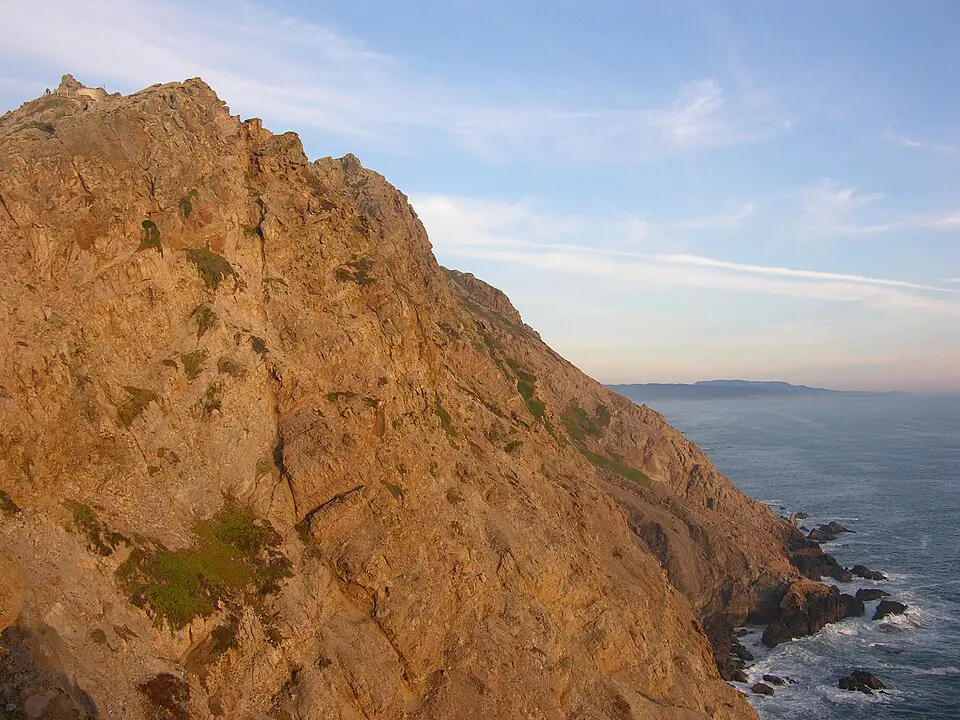
Point Reyes
The Fog Lottery, the Lighthouse Steps
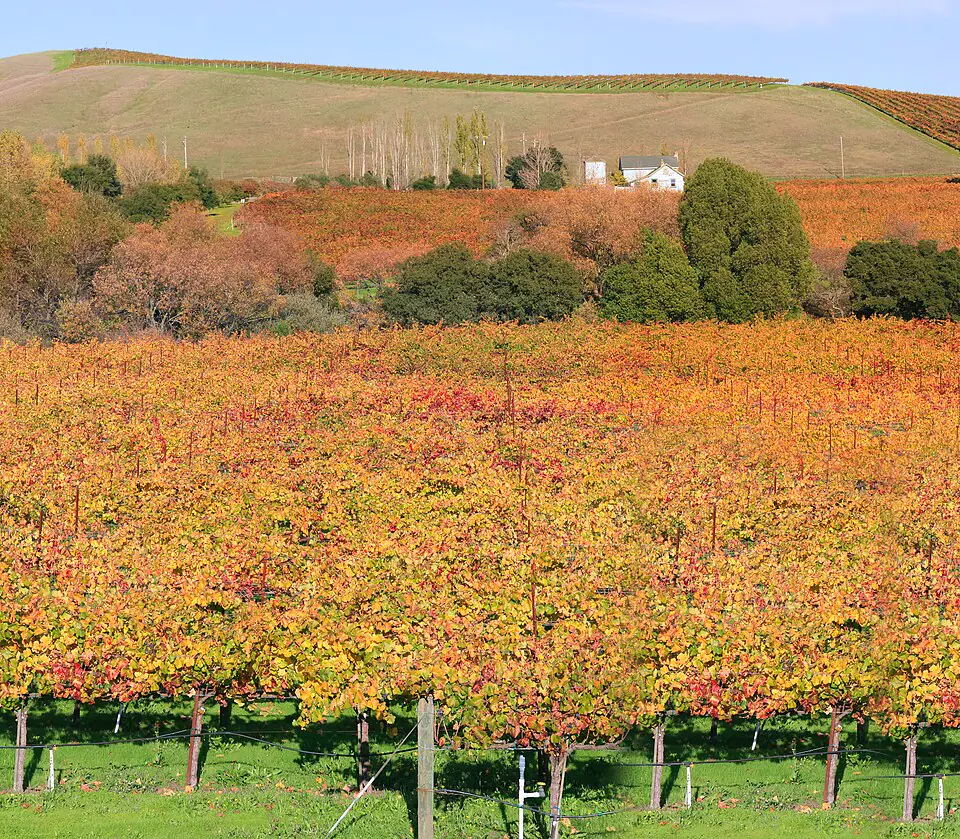
Napa
The Driver Question First, Tasting-Fee Reality
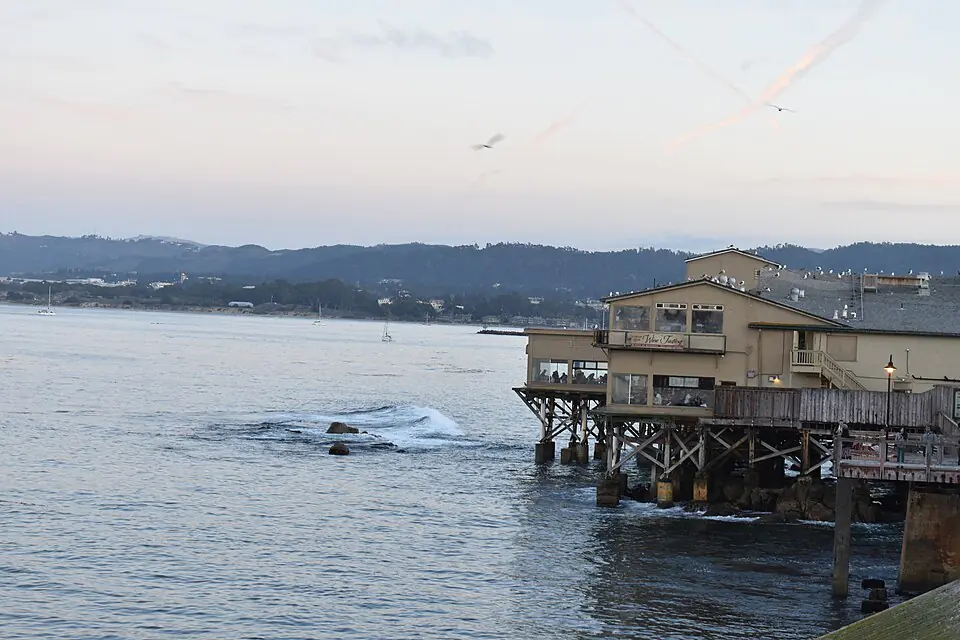
Monterey
The Long Day Done Right, the Aquarium Anchor
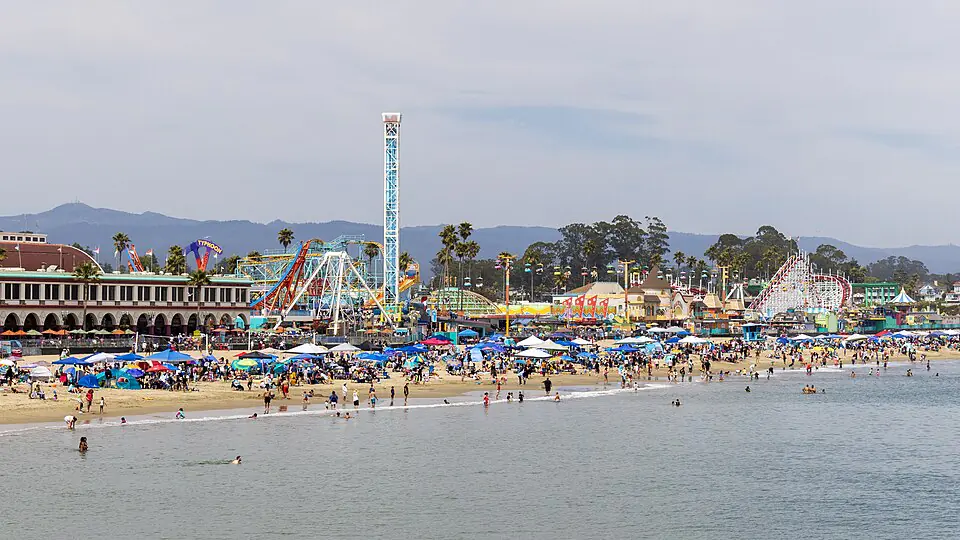
Santa Cruz
Two Roads Over the Hill, the 1924 Coaster
Muir Woods & the Marin Headlands — The Redwood Rules
Forty minutes north, Muir Woods National Monument holds the Bay Area’s cathedral redwoods — 250-foot giants over Redwood Creek, boardwalk-flat on the main loop — and the access rules are absolute: parking and shuttle seats require reservations seven days a week, year-round, through the official concessioner at gomuirwoods.com (or by phone), released 90 days out. Standard parking runs about $10 with a 30-minute arrival window; miss it and the space isn’t guaranteed. Walk-ups are turned away, there is no cell service at the park to book on arrival, and the separate per-person entrance fee doesn’t sell out — the parking does, especially weekends. The alternatives: the seasonal Marin Transit shuttle (a few dollars, reserved on the same site) or a guided van tour that carries its own access.
The visit: the main loop runs 30 minutes to two hours by chosen bridge, Cathedral Grove asks for the quiet it’s signed for, and the fog-watered light is the point — early slots get the grove nearest to silent. The stack: the Marin Headlands on the same day — Hawk Hill’s Golden Gate panorama (the classic bridge-over-fog shot), Point Bonita’s suspension-footbridge lighthouse (limited open hours; check ahead), and Rodeo Beach’s dark sand. Sausalito’s ferry home converts the return into a bay cruise.
Napa & Sonoma — The Wine Sort
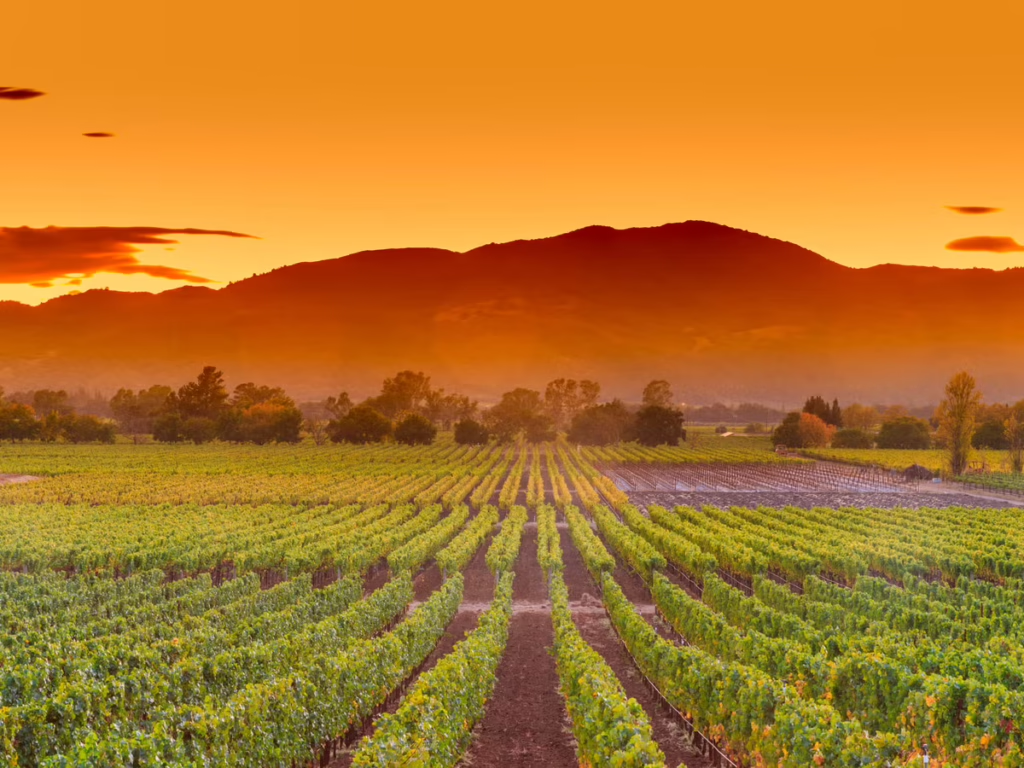
An hour to ninety minutes north, the wine country day starts with the modern fact: tastings now run overwhelmingly by reservation — walk-in culture survives mostly at smaller Sonoma rooms — so the day gets designed backward from two or three booked tastings, not improvised. Fees are real (often credited against purchase), and the designated-driver question is settled before the first pour: hired driver, tour, or the Napa Valley Wine Train’s rails-and-lunch solution.
The sort itself: Napa is the polish — the cabernet estates of Oakville and Rutherford, the architectural tasting rooms, Michelin ambitions in Yountville — and prices accordingly; Sonoma is the sprawl and the exhale — the historic plaza town, Russian River pinot, apple-country back roads, and tastings at half the fee with the winemaker occasionally pouring. First-timers wanting the postcard take Napa; repeat visitors and value hunters drift west and rarely drift back.
The stack: Castello di Amorosa’s full Tuscan-castle commitment and Sterling’s aerial tram cover the spectacle end of things; the Culinary Institute at Copia and Oxbow Market handle Napa-town lunch; Healdsburg plays Sonoma’s tasteful capital. The rules: three tastings is a day, not a challenge; harvest (September–October) is the glory-and-crowds window; and the morning fog burns off the vines by ten, which is when the valleys turn the color everyone drove up for.
Read the full Napa Valley day-trip page.
Point Reyes — The Wild Edge
Ninety minutes northwest, Point Reyes National Seashore is the coast at full volume: a granite peninsula sliding northwest on the San Andreas Fault, wrapped in fog-fed pasture, tule elk, and the Pacific doing structural work on the cliffs.
The circuit: the Point Reyes Lighthouse at the land’s end — down (and back up) roughly 300 steps, weather permitting; the headland is among the foggiest and windiest places on the coast, which is the price of the whale-watching perch (grays migrate December–May, peak in January and March). Chimney Rock’s elephant-seal overlook runs the winter colony spectacle — pupping season packs the beaches from December into March — and the Cypress Tree Tunnel supplies the photograph everyone recognizes once they see it. Drakes Beach and the Earthquake Trail (walking the actual 1906 fault jump) fill the margins.
The eating layer: the Tomales Bay oyster farms — picnic-table shucking with the bay in view — plus Cowgirl Creamery’s Point Reyes Station mothership and the bakery line that proves it. The rules: layers always (summer is the fog season out here), the lighthouse stairs close in high wind, weekend shuttle rules can apply at the headlands in whale season, and the drive’s cattle grids and one-lane moments are the deal you accepted. This is the trade-wind day — wild, cold-bright, and the antidote to wine country.
Read the full Point Reyes day-trip page.
Half Moon Bay & the Coastside — Highway 1 South
Thirty to forty-five minutes down the coast, the southern Highway 1 day runs at fishing-town tempo. Half Moon Bay itself: the harbor at Pillar Point (crab off the boats in season, the Mavericks big-wave break offshore for the winter-swell watchers), the downtown Main Street’s nurseries-and-feed-store charm, and the state-beach crescent for the walk. October’s pumpkin festival owns the town entirely — the art-and-gourds weekend is chosen or avoided.
South with the highway: Pescadero, inland two minutes, supplies the artichoke-bread-and-goat-cheese lunch (Duarte’s olallieberry pie and Harley Farms’ dairy are the institutions), Pigeon Point’s 1871 lighthouse runs the classic tower-on-rocks frame, and — in season — Año Nuevo State Park stages the coast’s great wildlife theater: the elephant-seal breeding colony, visited December through March by guided walk only, reserved ahead, and worth every rule (the males are trucks with tusks’ attitudes; the docents keep the distances honest).
The frame: this is the low-logistics coast day — no reservations except Año Nuevo’s season, fog as a feature, and the return over Highway 92’s flower farms. Gray-whale spouts from the bluffs are a bonus, not a promise.
Monterey & Carmel — The Honest Long Day
Two to two and a half hours south (Bay Area traffic decides which), the Monterey day is real and starts with arithmetic: four-plus driving hours around the visit, which the destination — barely — justifies. The Monterey Bay Aquarium is the anchor and one of the world’s great ones: the kelp-forest tank, the sea-otter program, the jellies galleries — book timed tickets ahead, arrive at opening, and give it three hours. Cannery Row outside is Steinbeck-flavored retail; the working town is at the wharf’s whale-watch fleet (Monterey Bay’s submarine canyon makes it among the best whale water anywhere, humpbacks near-resident in summer).
Carmel-by-the-Sea, ten minutes on, plays the storybook: cottage architecture, gallery lanes, the white-sand village beach, and the mission — the loveliest of the chain — for the history hour. The 17-Mile Drive question, answered: the toll buys the Lone Cypress and Pebble Beach frontage; the free alternative — Pacific Grove’s shoreline drive around Lovers Point — delivers comparable coast without the gate, and locals will say so.
The verdict: doable, memorable, and long — aquarium-plus-Carmel is the day; adding Big Sur turns it into a blur, and Big Sur needs its own overnight anyway. Leave by 7, or trade the sprint for a Monterey night and thank yourself at dusk on the wharf.
Read the full Monterey day-trip page.
Alcatraz Rules, Karl & San Francisco Itself
Alcatraz first, mechanically: tickets sell only through the official concessioner (City Experiences’ Alcatraz City Cruises, from Pier 33) — weeks ahead in summer, and any other seller is a markup or worse; the NPS page points to the one source. The audio tour — former guards and inmates narrating the cellhouse — remains the best of its kind anywhere; the evening tour is the connoisseur’s ticket; and the weather crossing is part of the experience, dressed for.
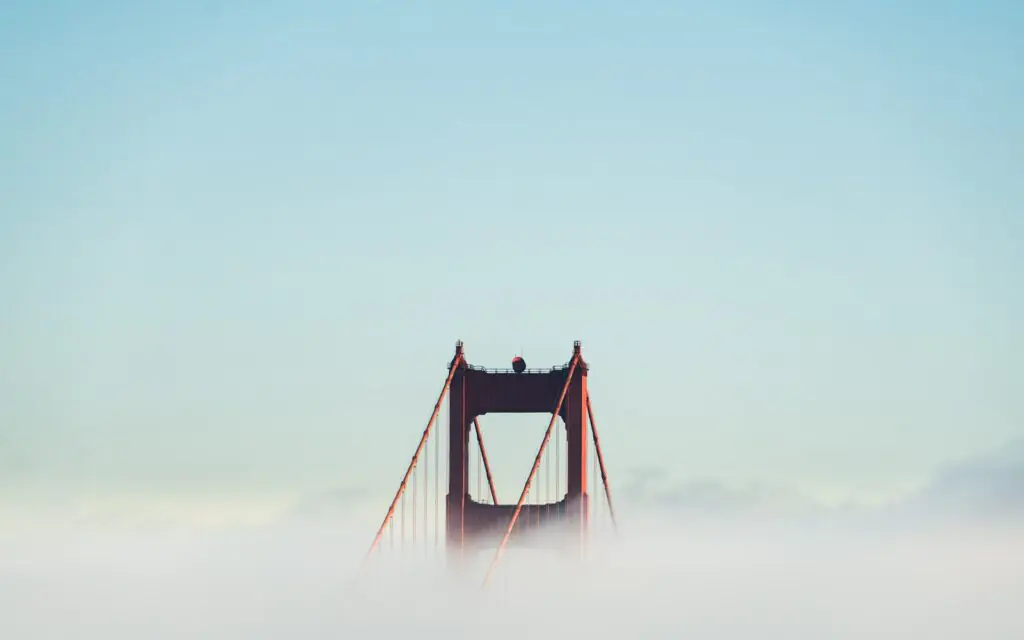
The city’s own mechanics: the cable cars are transit theater — ride the California line to skip the Powell queues, or board Powell-Hyde a few stops uphill from the turnaround — and the Muni day pass covers the historic F-streetcars too. Golden Gate Bridge walking rules: west sidewalk for bikes, east for feet, and Fort Point below for the Hitchcock angle. Karl the Fog (the city named it; follow the joke) runs the summer schedule: July mornings are gray by design, the Mission stays sunniest, and “coldest winter was a summer here” is meteorology, not wit.
The eating truths: the Mission burrito is a civic format (foil, fork optional, allegiances permanent — La Taqueria versus El Farolito is a lifelong argument), sourdough is heritage not gimmick (Tartine and the wharf’s Boudin serve different religions), and dim sum, Burmese, and the Ferry Building Saturday market cover the rest. Season math: September–October is the true summer (warm, clear, everyone knows it); June–August means layers and fog patience; and the city’s hills are the workout the postcards hide — the 49-mile drive exists for a reason, and so do the grip bars on the cable cars.
Full day-trip pages: Santa Cruz.
Frequently Asked Questions
Do you really need a reservation for Muir Woods?
Yes — every vehicle and shuttle rider, every day, year-round, booked at gomuirwoods.com up to 90 days out. About $10 to park with a 30-minute arrival window, no walk-up parking, and no cell service there to book late. The per-person entrance fee is separate and doesn’t sell out.
Napa or Sonoma?
Napa for the cabernet polish and architecture, at matching prices; Sonoma for value, variety, and the walk-in rooms that still exist. Either way, tastings now run by reservation — book two or three, and settle the driver question before the first pour.
How far ahead should you book Alcatraz?
Weeks, in season — through the official Alcatraz City Cruises at Pier 33 only; every other seller marks up the same boat. The cellhouse audio tour is the point, and the evening tour is the upgrade.
Is Monterey doable as a day trip?
Yes, as a long one: four-plus hours of driving around the aquarium (book timed entry) and Carmel. Skip adding Big Sur — it needs its own overnight — and consider Pacific Grove’s free shoreline over the 17-Mile Drive toll.
When can you see elephant seals near San Francisco?
December through March: Año Nuevo’s breeding colony by reserved guided walk south of Half Moon Bay, or Point Reyes’ Chimney Rock overlook to the north. The males arrive first, the pups steal the show, and the docents’ distance rules are for you, not them.