Napa in a Day
America’s most famous wine valley sits ninety minutes north — with tasting fees that outgrew their souvenir era and a reservation culture that means the spontaneous version no longer exists. Solve the driver question first.
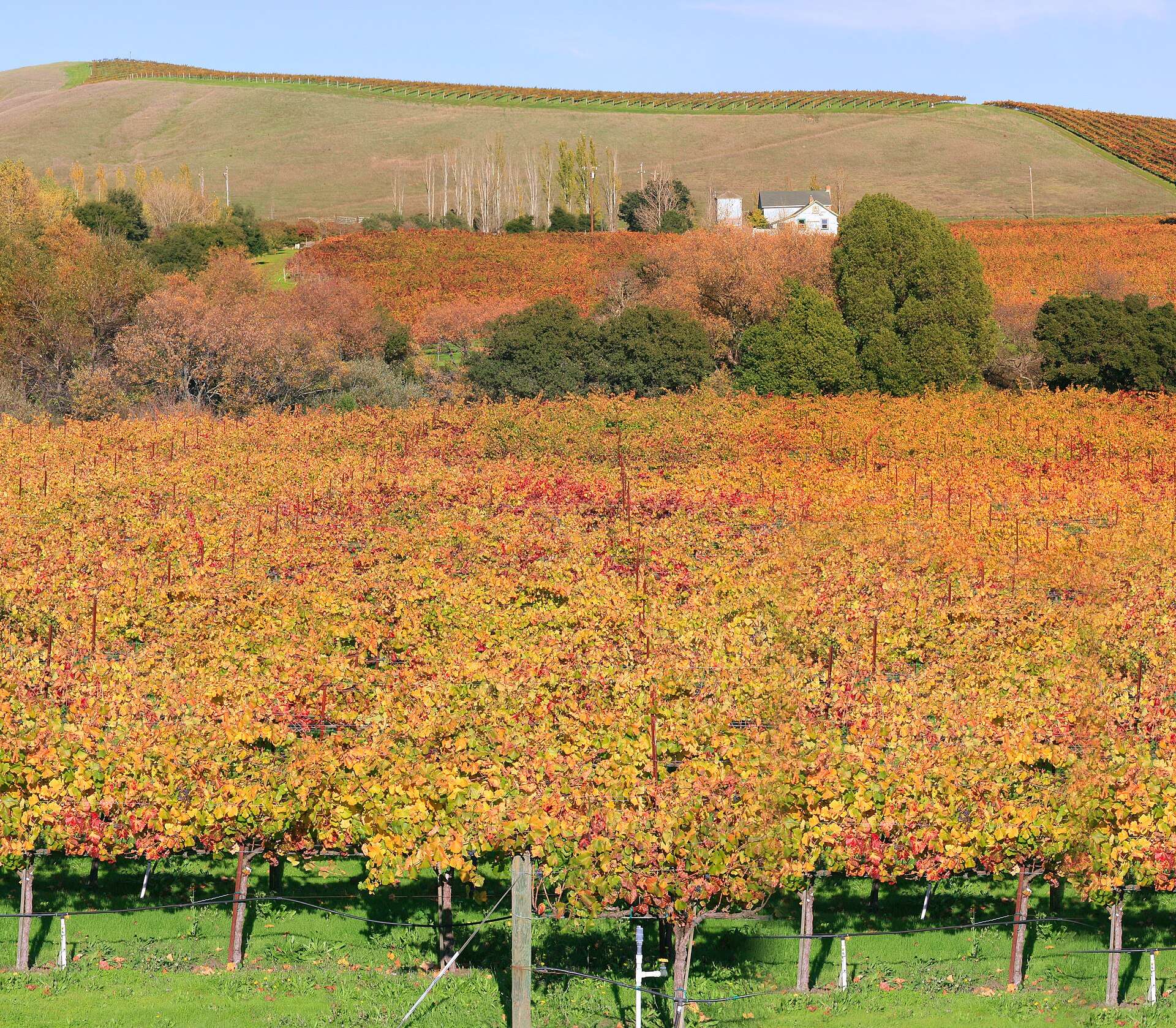
The short version
- The drive runs about ninety minutes via the Golden Gate and 37, traffic willing; tours and hired drivers price the safety in, and the ferry-to-Vallejo plus Vine bus 10 assembles a carless version for the patient — ferry times at sanfranciscobayferry.com.
- Tasting fees have professionalized: $40–60 is standard, reserve-level flights run higher, and fees waive with purchases less often than the old stories claim — budget it as the day’s theater ticket.
- Reservations rule the valley since the pandemic reset: book two or three wineries with breathing room between, not five back to back — valley planning tools at visitnapavalley.com.
- The town of Napa itself has become a legitimate base: Oxbow Public Market’s food stalls, tasting rooms within walking distance of each other, and the riverfront — the no-driving-between-stops version of the day.
- Up-valley, Yountville concentrates the food fame (the French Laundry’s garden alone draws pilgrims), St. Helena does handsome main-street wine country, and Calistoga adds hot springs to the formula.
- Picnics only work where licensed — many wineries prohibit outside food — and the two-or-three-winery pace with a real lunch is the day everyone enjoys more than the ambitious itinerary they planned.
Getting there
The driver decision shapes everything, per the alarm. Groups justify a hired driver splitting costs; couples and solos slot into small-group tours that handle reservations wholesale; the self-driving version works only with a genuinely abstaining driver — the valley’s patrol presence is professional about exactly this. The ferry-Vine assembly reaches downtown Napa’s walkable tasting rooms without any car at all, which quietly makes the town-only version the best carless plan in California wine.
The day
Two wineries and lunch beat four wineries and regret — the whole valley agrees by 3pm. Structure: a morning appointment up-valley (a cave tour or terrace tasting that’s about the place, not just the pour), a long lunch in Yountville or at Oxbow’s stalls, then the second appointment mid-afternoon with the day’s judgment intact. The town-based version walks between downtown Napa tasting rooms with the market as its anchor and no vehicle in the equation. Either way, the drive home hits the bridge after the worst of the northbound-turned-southbound wave — or the ferry’s schedule sets a civilized hard stop.
When to go
April to June gives green hills and workable roads; September–October harvest is the valley at maximum romance and maximum booking pressure — crush season’s energy is real and priced accordingly. Summer weekends jam Highway 29 into a tasting-room parking lot; winter (the locals’ cabernet season) offers open reservations, mustard blooming between the vines by February, and fireside tastings that argue the off-season case well. Midweek beats weekend in every month this valley has.
Frequently Asked Questions
Napa or Sonoma for a first trip?
Napa for the marquee names and manicured theater; Sonoma for looser, cheaper, more varied country a valley over. First-time visitors wanting the famous version come here; the alarm’s math applies to both.
Are the tasting fees really that high?
Standard flights genuinely run $40–75 at named wineries, with reserve experiences above that — the valley repositioned from souvenir stop to destination pricing. Two good tastings beat four rushed ones at the same total.
How far ahead should I book wineries?
Season weekends: two to three weeks for the known names, more for the cult ones. Midweek and winter forgive short notice. Booking the day’s structure before the transport is the classic error — reverse it.
Is the wine train worth it?
It handles driving and scenery in one ticketed package at package prices — a fine occasion ride, not a tasting-depth experience. Judge it as a restaurant on rails and it delivers exactly that.
Can I do Napa without drinking?
Better than its reputation suggests: the food, the landscape, cave tours, Calistoga’s springs, and Oxbow make a real day — and every group’s designated driver is proof it works. Several wineries pour serious non-alcoholic flights now; ask when booking.